
Health & Nutrition · COMPLETED
- Location
- Budi
- Donor
- World Food Programme
- Start
- 4/1/2025
- End
- 8/31/2025
Project Overview
The Integrated Nutrition Support Program, led by CODAID in partnership with WFP, is designed to combat malnutrition and food insecurity in vulnerable communities of Budi County. The initiative combines Blanket Supplementary Feeding Programme (BSFP) with Cash-Based Transfers (CBT) and General Food Distribution (GFD+), targeting children aged 6-23 months, pregnant, and lactating women.
Key Activities
Community Engagement:
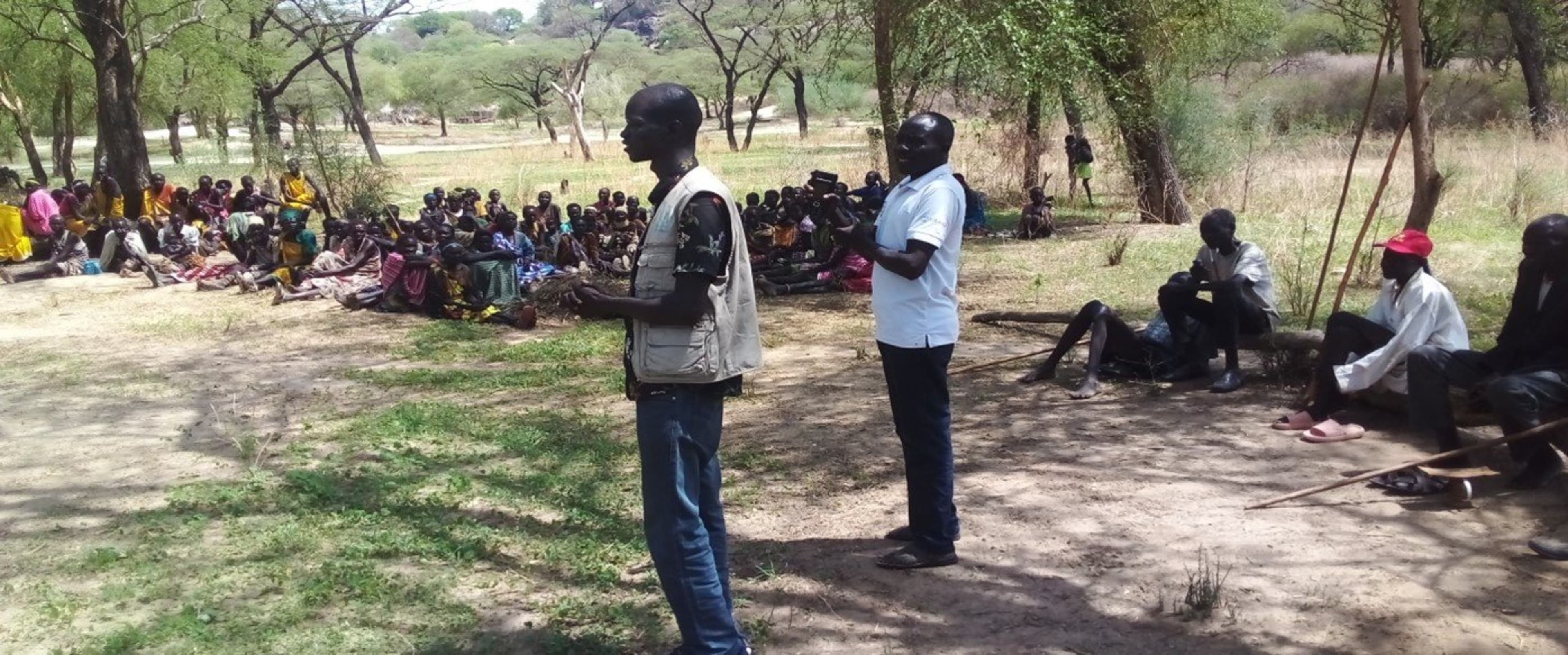
Meetings with local authorities and Boma chiefs to explain program goals, targeting criteria, and implementation plans.
Beneficiary Targeting & Registration:
General Assembly-based registration across all 16 Bomas.
Equal case distribution with each Boma receiving 95 beneficiaries (total: 1,520).
Priority given to the most vulnerable, including elderly, pregnant, and lactating women.
Nutrition Awareness & Education:
Education sessions on exclusive infant and young child feeding (IYCF), hygiene, sanitation, and nutrition-sensitive practices.
Topics included: handwashing, clean cooking practices, balanced diets, and importance of fruits and vegetables.
Challenges
Unavailability of BSFP registration cards during the targeting days.
Poor hygiene and sanitation in some communities.
Limited case load in some Bomas.
Lack of rainfall in Greater Kimotong leading to increased food insecurity.
High malnutrition risk due to scarcity of vegetables and food diversity.
Lessons Learned
Nutrition security is fragile in areas with low rainfall and poor agricultural conditions.
Hunger is directly linked to school dropouts and poor academic participation.
Traditional food sources like lalop tree leaves are widely used due to lack of alternatives.
Recommendations
Reinstate the school feeding program to improve enrollment and reduce hunger-related dropouts.
Provide hygiene kits to adolescent girls and women.
Continue close collaboration with community leaders for better targeting and implementation.
Next Steps (Planned Activities)
Distribute QR code cards to all registered BSFP beneficiaries.
Continue nutrition-sensitive awareness sessions at distribution points.
Strengthen social and behavioral change communication around the integration of BSFP with CBT and GFD+.
Objectives
- Reduce the risk of acute malnutrition and improve nutritional status among children under two, pregnant and lactating women through integrated food support and awareness interventions.
Outcomes
- Successfully reached 1,520 BSFP beneficiaries across 16 Bomas.
- Conducted nutrition awareness and sensitization sessions in Loriok, Chewa, and Mission Market.
- Formed Boma Targeting Committees in key locations like Chawa.
- Strengthened collaboration with local leadership and boosted community trust.