
Food Security & Livelihoods · COMPLETED
- Location
- Budi
- Donor
- World Food Programme
- Start
- 1/1/2021
- End
- 12/31/2023
Overview
Community Development Aid (CODAID), in partnership with the World Food Programme (WFP), has been actively engaged in General Food Distribution (GFD+) and Blanket Supplementary Feeding Program (BSFP) in Budi County, Eastern Equatoria State. Our mission is to support food-insecure and conflict-affected communities through targeted food assistance, nutritional support, and advocacy programs.
Key Locations
Budi County, covering 5 Payams: Homiri, Lotukei, Ngarich, Kimotong, Ngaura
16 Bomas, including: Chawa, Kerenge, Lorema, Kuduli, Kikilai, and others.
Target Groups
CODAID targets the most vulnerable groups, including:
Female-headed households
Elderly, disabled, and chronically ill individuals
Pregnant & Lactating Women (PLW)
Children under five years
Returnees and marginalized households
Orphans and child-headed families
Core Activities
1. Targeting & Registration (2023)
Conducted from Feb 14–24, 2023.
Registered 15,750 GFD+ beneficiaries (56% women).
Registered 1,103 BSFP beneficiaries (52% girls under 5).
Formed and trained 170 PMCs (Project Management Committees).
Integrated gender, child protection, WASH, and GBV considerations.
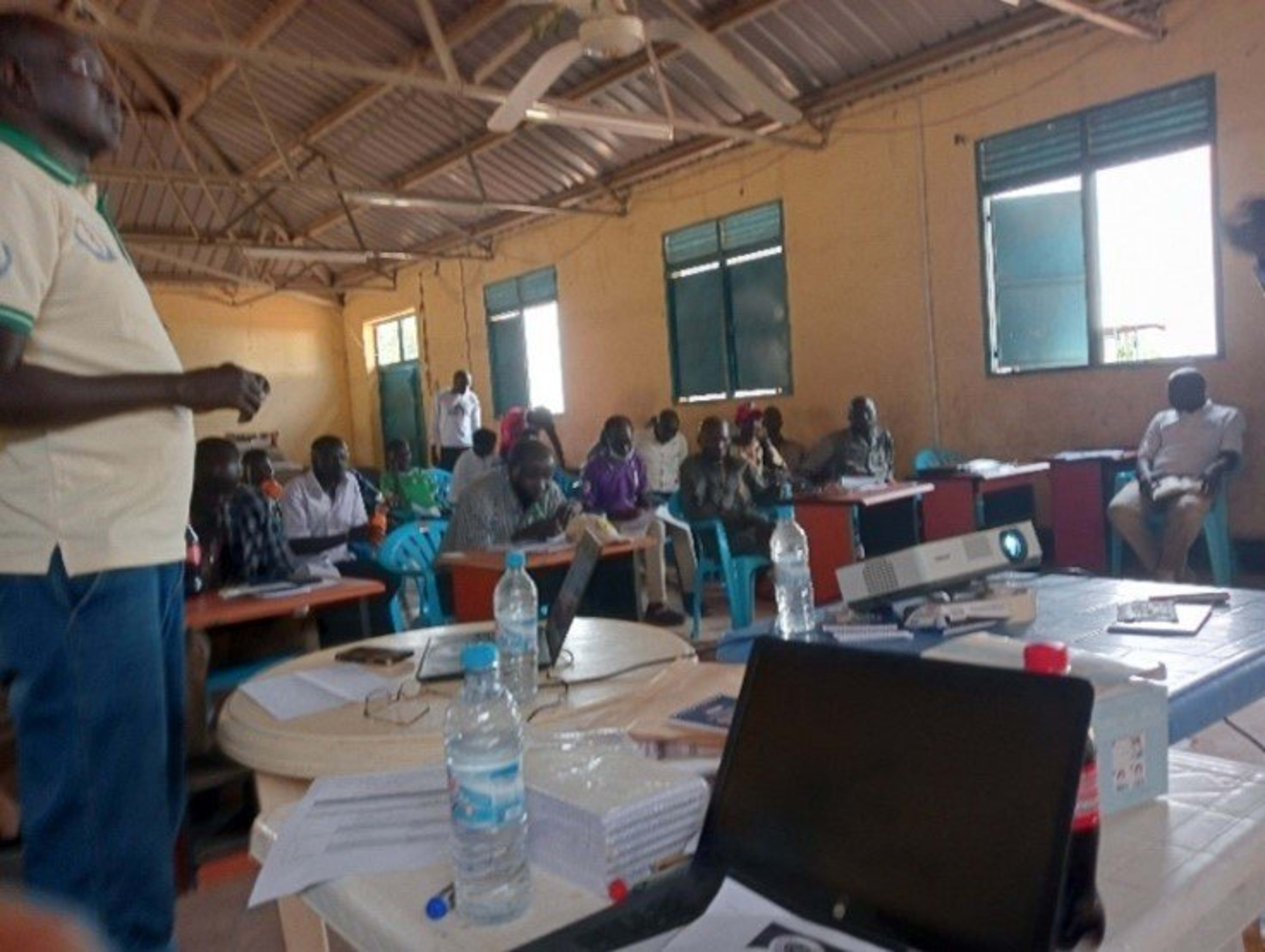
2. Stakeholder Inception Workshop (Feb 2023)
Brought together over 43 stakeholders, including chiefs, administrators, youth/women leaders, and PMC reps.
Purpose: Clarify project scope, roles, and community participation.
Workshop encouraged community ownership and transparency.
3. Post-Distribution Monitoring (2021)
Covered GFD, GBV Advocacy, School Feeding, and Kitchen Gardens.
Verified food reached 15,000 households over six months.
Found food helped increase meals from 1 to 2 per day in many homes.
Challenges Faced
Harsh terrain and insecurity (e.g., cattle raids in Tala).
High expectations for allowances/accommodations during workshops.
Alcohol-related interference during registrations.
Limited caseload vs. actual vulnerability levels.
Lessons Learned
Improve early communication and mobilization before activities.
Increase community sensitization on targeting criteria.
Allocate more time and resources for hilly or remote areas.
Expand GFD beneficiary caseload due to recurring drought and crop failure.
Reinstate school feeding in under-served areas to promote enrollment.
Outcomes
- Kitchen Gardens: schools like Amazing Grace Primary harvested surplus crops like cassava, sukuma wiki, and groundnuts.
- Community Initiatives: opened cattle paths, constructed dams, and supported group farming.
- GBV Advocacy: community enforcement led to public destruction of illicit alcohol and psychosocial support for survivors.
- Enrollment Boost: school feeding led to 9,375 pupils enrolled in 24 schools (2021).